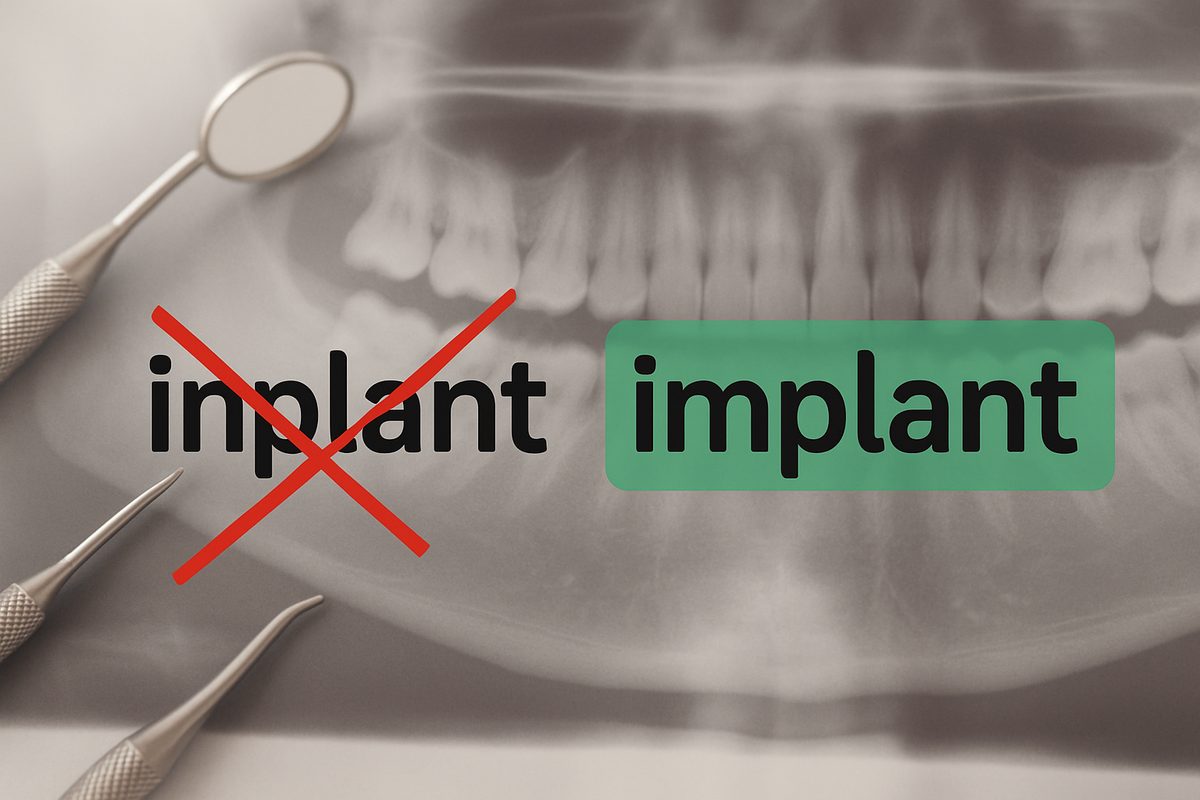
Many individuals performing online searches for tooth replacement options may type “inplant or implant.” The correct spelling and clinical term is “implant.” This information aims to clarify this common terminology, explain what a dental implant is, outline candidacy considerations, describe the basic treatment steps, discuss associated risks, and advise when to consult with a dental professional.
For those searching for dental implant information in The Villages, FL, this guide provides foundational knowledge to support an informed consultation.
What “Implant” Means
The term “inplant” is a common misspelling. The correct clinical term is “implant.” A dental implant is a small, biocompatible post, typically made of titanium or ceramic, that is surgically placed into the jawbone. Its purpose is to function as an artificial tooth root. After the implant integrates with the surrounding bone, it provides a stable foundation for a dental crown, bridge, or denture. Individuals searching with the misspelling “inplant” are generally seeking information on how implants can restore chewing function, enhance appearance, and improve confidence.
Common Questions About Dental Implants Near The Villages, FL
Most online searches that include “inplant” are often typographical errors where the user intended to search for “implant.”
These searches typically aim to gather basic definitions, understand available treatment options, or identify qualified providers near The Villages, FL who can replace missing teeth. Recognizing this common misspelling helps users refine their searches for more accurate results by using the correct term: “implant.”
Glossary of Key Implant Terminology
An implant refers to a small, surgically placed post, usually metal or ceramic, designed to replace a tooth root. An abutment is the connector component that joins the implant to the visible restoration. A crown is the custom-fabricated, tooth-shaped cap that is secured onto the abutment, mimicking a natural tooth. Osseointegration describes the biological process where the jawbone physically fuses with the implant surface, providing stability and strength. Bone grafting is a procedure to add bone or bone-like material when there is insufficient natural jawbone volume to support an implant.
Correct Terminology for Searches and Records
It is important to use the correct term “implant” (not “inplant”) when conducting online searches, completing medical or dental forms, and communicating with insurance providers to prevent potential delays or errors. Incorporating your location, such as “dental implant in The Villages, FL” or “implant dentist near The Villages, FL,” can help refine local search results. If you encounter the term “inplant” on a form or communication, it is advisable to confirm with the office that “implant” is the intended term to maintain accurate records and claims.
How Dental Implants Function in the Jaw
A typical dental implant restoration consists of three primary components: the implant fixture itself, which is embedded in the jawbone; the abutment, which serves as a connector; and the prosthetic crown or denture, which is the visible restoration above the gum line. These components work together to replace both the root and the coronal portion of a missing tooth.
Stabilization Provided by Osseointegration
Dental implants achieve natural feel and function through a biological process called osseointegration. During this process, the jawbone cells grow around and permanently bond with the implant surface, creating a stable and strong anchor. This integration allows implants to withstand chewing forces similar to natural teeth and helps preserve the surrounding jawbone over time, which can contribute to the stability of adjacent natural teeth.
Candidate Assessment for Dental Implants
Successful implant placement requires adequate oral health and sufficient jawbone density. Ideal candidates typically possess healthy gum tissues and enough bone to securely hold the implant. If bone volume or density is insufficient, bone grafting procedures or sinus lifts may be recommended to augment the site. A thorough evaluation, including X-rays or cone beam computed tomography (CBCT) scans, is performed by the dentist to assess bone structure and guide precise implant placement planning.
Systemic Health Factors and Healing
Certain chronic medical conditions, such as uncontrolled diabetes, heavy tobacco use, or specific medications, can influence the body’s healing response and the success of osseointegration. A comprehensive review of your medical history will be conducted by your dentist. Recommendations may be offered to optimize your overall health before an implant procedure to enhance the likelihood of successful integration and healing.
Dental Implant Treatment Steps and General Timeline
The implant treatment process begins with an initial consultation, which includes a comprehensive oral examination, diagnostic imaging (such as X-rays or CBCT scans), and the development of a personalized treatment plan. Your dentist will discuss treatment options, estimated timelines, anticipated costs, and determine if an immediate load (same-day) restoration or a staged approach is most appropriate for your case.
Surgical Placement to Final Restoration
The dental implant is surgically placed into the jawbone. A healing period, typically several months, is then required for osseointegration to occur. Once healing is complete and the implant has integrated with the bone, the abutment is attached, followed by the placement of the final custom crown or denture. In select cases, a temporary or even a final restoration may be placed at the time of implant surgery.
Understanding Risks, Recovery, and Aftercare
Following implant surgery, common short-term side effects may include localized swelling, soreness, and mild bleeding. Patients should monitor for signs of potential complications such as severe pain, persistent or worsening swelling, fever, or any sensation of implant mobility. Long-term care for dental implants involves consistent adherence to good oral hygiene practices, avoidance of smoking, and regular dental check-ups, which are crucial for the longevity of the implant.
Selecting an Implant Provider Near The Villages, FL
When choosing a dental implant provider, it is beneficial to verify their credentials and experience. Inquire about formal implant training, board certifications, or affiliation with recognized implant organizations. Ask about their experience with various implant cases, including single tooth, multiple-unit, or full-arch restorations. Reviewing patient testimonials and before-and-after photos, especially from patients in The Villages, FL, can provide insight into their quality of care.
Advanced Technology and Planning Tools
Modern dental implant care often incorporates advanced technology to enhance precision and improve patient outcomes.
Inquire if the practice utilizes CBCT (3D cone beam) imaging for detailed diagnostic assessment and surgical planning, an in-house dental lab for efficient and customized prosthetic fabrication, and 3D printing capabilities for creating surgical guides and models. These tools contribute to accurate implant placement and can support predictable results for patients in The Villages, FL.
Key Questions for Your Consultation
Prepare a list of questions to bring to your consultation. Consider asking about the estimated timeline from initial consultation to final crown placement, whether immediate loading or temporary teeth options are available, typical cost ranges and potential factors that might increase the overall fee (e.g., bone grafting, extractions), the success rate for cases similar to yours, and available sedation options, as well as included follow-up care. Addressing these questions during your consultation helps in comparing practices and selecting a provider that aligns with your individual needs.
Why Choose Sumter Landing Dental Care for Implants
At Sumter Landing Dental Care in The Villages, FL, Dr. David Price and Dr. Anil Patel provide dental implant expertise. The practice utilizes in-house CBCT imaging for precise diagnostic planning, an on-site dental lab, and 3D printing capabilities for efficient and accurate prosthetic restorations. Various sedation options are also available to enhance patient comfort. These resources aim to streamline treatment processes and improve predictability for single implants, full-arch solutions, and, where appropriate, same-day or next-day smile cases.
Ready to Explore Dental Implant Options?
If you are considering dental implants, scheduling a consultation can provide clarity on treatment timelines, costs, and potential immediate loading options. Sumter Landing Dental Care offers online scheduling, financing solutions, and can answer detailed questions regarding implant care. Contact us or book online to develop a clear plan for addressing missing teeth.