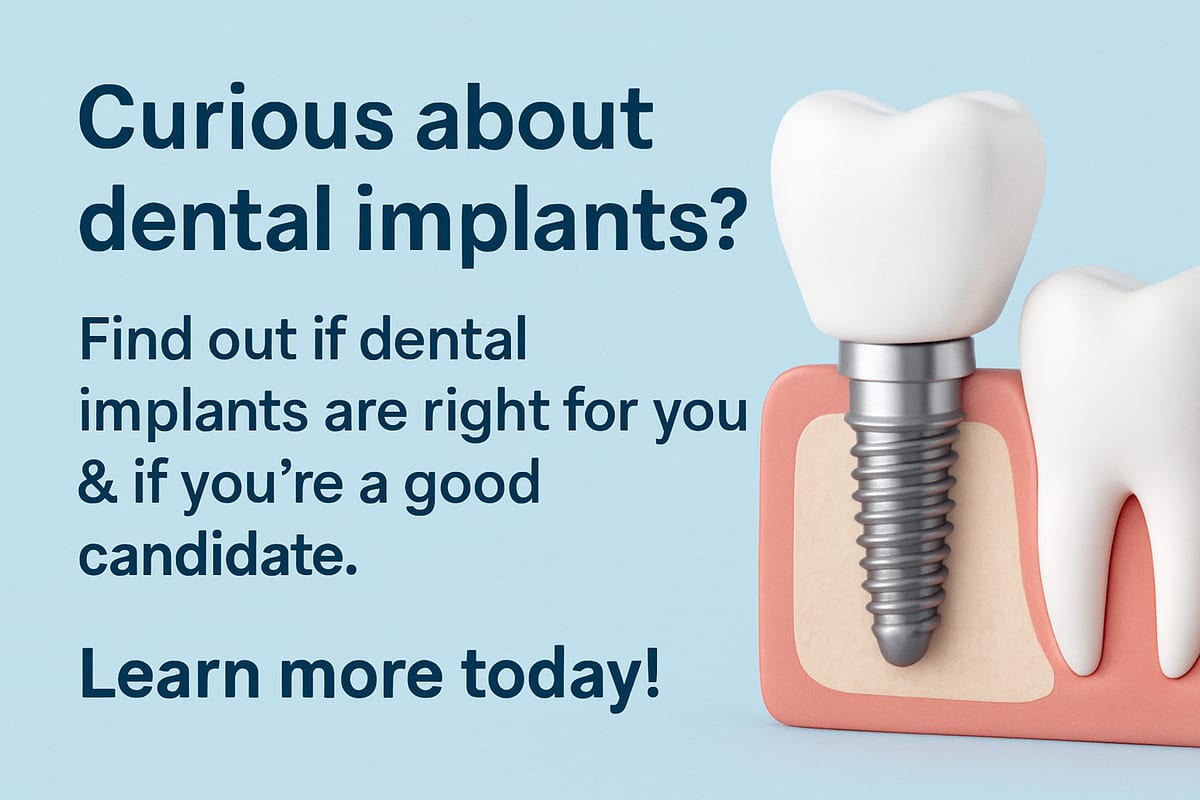
Many patients ask “can anyone get dental implants?” Short answer: most adults can, but several health and dental factors determine eligibility. This post explains common requirements, health issues that make treatment more complex, how dentists check you, and practical next steps to learn if implants are right for you.
Common eligibility requirements
Good overall health
Dental implants are a surgical procedure, so general health matters. Controlled chronic conditions like diabetes or heart disease usually aren’t a barrier if they’re well managed. Uncontrolled illnesses or recent major medical events may delay or prevent implant treatment until your doctor gives the OK.
Healthy gums and no active infection
Healthy gum tissue is essential. Active gum disease or oral infections must be treated and healed before placing implants. Ignoring infection raises the risk of implant failure.
Adequate jaw bone
Implants need enough bone to anchor into. If your jaw bone is thin or has lost height, the implant may not be stable without rebuilding the area first.
Adult patients and habits
Implants are generally for adults whose jaw growth is complete. Smoking and heavy alcohol use lower implant success rates and may require quitting or cutting back before and after surgery.
Conditions that make implants more complex — and how they’re handled
Bone loss and grafting
Bone loss is common after tooth loss. Bone grafts or sinus lifts can rebuild enough support for implants. These procedures add time but often make implants possible when bone is insufficient.
Periodontal (gum) disease
If you have periodontal (gum) disease, dentists treat it first with deep cleaning, antibiotics, or surgery as needed. Once gum health is stable, implant planning can move forward.
Medication and medical history
Certain medications (like some bisphosphonates), past radiation to the head or neck, or immune-suppressing drugs require careful planning. Your dentist will work with your physician to reduce risks and decide the safest approach.
How to find out if you qualify
Dental exam and imaging
An exam plus X-rays or a CBCT scan shows bone levels, nerve positions, and overall anatomy. This imaging is key to safe implant placement and planning any grafts or special techniques.
Medical history review and tests
Bring a full medical history and a list of medications. Your dentist may ask about diabetes control, blood clotting issues, or past cancer treatment and could coordinate with your doctor for clearance or testing.
Alternatives if you’re not an immediate candidate
If implants aren’t possible right away, options include removable dentures, fixed bridges, or staged treatment (gum therapy and grafting) to prepare for implants later. These options can restore function while you become a candidate.
Next steps: getting a definitive answer
Schedule a consult with a qualified dentist or oral surgeon for a personalized plan. Bring your medical history, current medication list, and any recent dental X-rays. During the visit you’ll get a clear assessment and next steps.
Ready to learn if implants are right for you? Book an evaluation to get a tailored plan and timeline.