Why Is It Important to Replace Missing or Damaged Teeth?
A missing or severely damaged tooth can affect much more than the appearance of your smile. Depending on its location, tooth loss may make it harder to chew comfortably, speak clearly, or maintain a balanced bite. Nearby teeth may also gradually shift toward the open space.
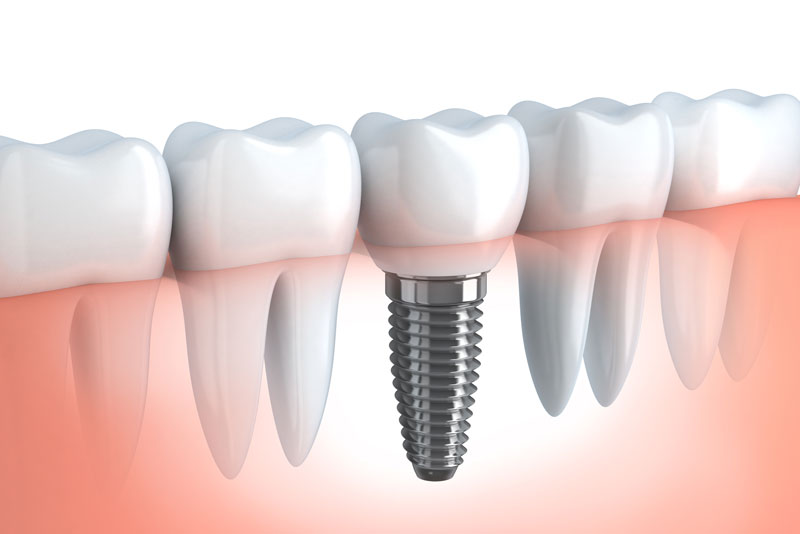
After a tooth and its root are lost, the jawbone in that area no longer receives the same stimulation it once did. Over time, this can contribute to bone loss. Because a dental implant functions as an artificial tooth root, it can provide a stable foundation for a replacement tooth while helping support the surrounding bone.
Dental implants are one of the most versatile tooth-replacement options available. They may be used to restore one missing tooth, several consecutive teeth, or an entire upper or lower arch.
At Sumter Landing Dental Care, every implant treatment begins with a personalized evaluation. The recommended restoration will depend on factors such as the number and location of missing teeth, jawbone health, bite alignment, aesthetic goals, and long-term treatment needs.
Four Types of Dental Implant Restorations in The Villages, FL
Although every treatment plan is different, dental implant restorations generally fall into four common categories:
- Single dental implants
- Implant-supported bridges
- Full-arch PMMA restorations
- Full-arch zirconia bridges
1. Single Dental Implant
A single dental implant is designed to replace one missing tooth without requiring treatment of the neighboring healthy teeth.
Treatment typically involves placing a titanium implant post in the jawbone. As the area heals, the implant integrates with the surrounding bone through a process known as osseointegration. An abutment is then connected to the implant, followed by a custom dental crown that replaces the visible portion of the tooth.
A single-tooth implant can help restore:
- Natural-looking smile aesthetics
- Comfortable biting and chewing
- Support for the surrounding jawbone
- Proper spacing between neighboring teeth
Unlike a traditional tooth-supported bridge, a single implant generally does not require the adjacent teeth to be reshaped. Patients comparing their options can learn more about dental crowns and bridges.
2. Implant-Supported Bridge
An implant-supported bridge may be recommended when several neighboring teeth are missing.
Instead of placing an individual implant for every missing tooth, strategically positioned implants support a connected row of replacement teeth. This allows the restoration to fill a larger space without relying on natural teeth for support.
Potential benefits of an implant-supported bridge include:
- Replacing multiple missing teeth with a fixed restoration
- Avoiding unnecessary alteration of adjacent healthy teeth
- Improving stability while eating and speaking
- Providing stimulation to the jawbone near the implant sites
- Creating a natural-looking, customized result
The number and position of the implants will be determined after a detailed examination and review of the patient’s anatomy.
3. Full-Arch PMMA Restoration
PMMA, or polymethyl methacrylate, is a durable acrylic material frequently used to create a temporary or provisional full-arch restoration.
A full-arch PMMA prosthesis replaces all the teeth in an upper or lower arch and is commonly supported by four to eight dental implants. In appropriate cases, it may be attached shortly after implant placement, allowing the patient to leave with a functional set of temporary teeth during the healing period.
A PMMA restoration can help patients:
- Maintain their smile while the implants heal
- Speak and eat a modified diet during recovery
- Evaluate the shape, size, and appearance of the new teeth
- Transition to a permanent full-arch restoration
PMMA is often used as an important step in the full-mouth dental implant process. Although durable, it may not offer the same long-term wear resistance as a final zirconia restoration. Patients should follow all cleaning, dietary, and maintenance instructions provided by the dental team.
4. Full-Arch Zirconia Bridge
A full-arch zirconia bridge is a fixed, permanent restoration designed to replace all the teeth in an upper or lower arch. It is supported by multiple dental implants and custom-milled to complement the patient’s facial features, bite, and smile.
Zirconia is a strong ceramic material valued for its durability, biocompatibility, stain resistance, and natural-looking appearance. Once the implants have healed and are ready to support the final restoration, the zirconia bridge is securely attached to them.
Benefits of a zirconia fixed bridge may include:
- A strong and stable biting surface
- A lifelike shape and appearance
- Resistance to stains and everyday wear
- A restoration that remains fixed in the mouth
- Improved comfort and confidence compared with unstable teeth or removable dentures
For patients with widespread tooth loss or severely damaged teeth, a zirconia bridge may be incorporated into a comprehensive full-mouth reconstruction plan.
How Do You Choose the Right Implant Restoration?
The appropriate restoration depends on more than the number of missing teeth. During an implant consultation, the dental team may evaluate:
- The condition of the remaining teeth and gums
- Jawbone volume and density
- The location and number of missing teeth
- Bite alignment and chewing forces
- Overall medical and dental history
- Smile and appearance goals
- Personal preferences and budget
Digital imaging can help the dentist study the underlying bone, nerves, sinuses, and other anatomical structures before recommending treatment. Some patients may also require preparatory procedures, such as tooth extraction or bone grafting, before implant placement.
How Long Do Dental Implant Restorations Last?
Dental implants are intended to provide long-term tooth replacement, but their lifespan depends on oral hygiene, overall health, bite forces, lifestyle habits, restoration material, and regular professional care.
Patients should follow their personalized maintenance instructions, which may include:
- Brushing at least twice each day
- Cleaning carefully around and beneath the restoration
- Using floss, interdental brushes, or a water flosser as directed
- Avoiding chewing ice and other excessively hard objects
- Wearing a nightguard when recommended
- Attending routine dental examinations and cleanings
Although implant-supported teeth cannot develop cavities, the gum and bone surrounding the implants must remain healthy. Routine maintenance allows the dental team to monitor the implants, restoration, bite, and surrounding tissues.
Why Choose Sumter Landing Dental Care?
Sumter Landing Dental Care provides personalized dental implant treatment for patients in The Villages, FL, and surrounding communities. The team uses modern diagnostic and treatment technology to plan implant placement and design restorations for comfortable function and natural-looking results.
Dr. David Price and Dr. Anil Patel take the time to explain each stage of treatment and develop a plan based on the patient’s specific oral health needs and goals.
Depending on the case, treatment may include a single implant, an implant-supported bridge, a provisional PMMA restoration, or a permanent zirconia fixed bridge. The goal is to provide a restoration that supports oral health while improving comfort, function, and confidence.
Schedule a Dental Implant Consultation in The Villages, FL
Missing or damaged teeth do not have to continue affecting the way you eat, speak, or smile. The first step is a comprehensive consultation to determine whether dental implants are appropriate for your needs.
During your visit, the Sumter Landing Dental Care team can evaluate your oral health, review the available restoration options, discuss your anticipated treatment process, and answer questions about cost. Information about payment options is also available on the practice’s insurance and financing page.
Ready to explore your dental implant options? Contact Sumter Landing Dental Care to request a consultation in The Villages, FL.